
Workday Ladder Falls

Falling from a ladder during the workday can cause foot injuries, especially when the feet absorb the force of a landing. Injuries include sprains, fractures, and tendon damage. Pain may begin immediately or develop later as swelling increases. Difficulty standing, walking, or putting weight on the foot can signal an injury. Risk factors include rushing, working on uneven surfaces, and using a ladder that is too short. Older adults and people with balance concerns may face greater risk.

Before climbing, decide whether a ladder is needed. If another method is available, use it instead. When a ladder is necessary, choose one that reaches the needed height without requiring you to stand on the top steps. Make sure the ladder is designed for your weight. Place it on a firm, level surface. Never use a damaged ladder or one with loose parts. Inspect the steps, feet, and locks before every use.

The right shoes can help prevent ladder falls. Wear shoes with soles that provide good traction. Keep both hands available when climbing, and face the ladder. Do not overreach or carry objects that can affect your balance. If you fall, stop and assess your feet before walking. Significant pain, swelling, or difficulty bearing weight requires medical attention.

A podiatrist can evaluate a foot injury after a ladder fall and check for fractures or joint damage. X-rays or other imaging may be recommended when needed. Treatment may include rest, elevation, or other protection while the foot heals. A podiatrist can guide your return to activity based on your injury. If you have foot injuries from falling off a ladder at work, it is suggested that you consult a podiatrist for effective relief and treatment solutions.

Preventing falls among the elderly is very important. If you are older and have fallen or fear that you are prone to falling, consult with one of our podiatrists from Community Foot Specialists. Our doctors will assess your condition and provide you with quality advice and care.

Every 11 seconds, an elderly American is being treated in an emergency room for a fall related injury. Falls are the leading cause of head and hip injuries for those 65 and older. Due to decreases in strength, balance, senses, and lack of awareness, elderly persons are very susceptible to falling. Thankfully, there are a number of things older persons can do to prevent falls.

How to Prevent Falls

Some effective methods that older persons can do to prevent falls include:

  • Enrolling in strength and balance exercise program to increase balance and strength
  • Periodically having your sight and hearing checked
  • Discuss any medications you have with a doctor to see if it increases the risk of falling
  • Clearing the house of falling hazards and installing devices like grab bars and railings
  • Utilizing a walker or cane
  • Wearing shoes that provide good support and cushioning
  • Talking to family members about falling and increasing awareness

Falling can be a traumatic and embarrassing experience for elderly persons; this can make them less willing to leave the house, and less willing to talk to someone about their fears of falling. Doing such things, however, will increase the likelihood of tripping or losing one’s balance. Knowing the causes of falling and how to prevent them is the best way to mitigate the risk of serious injury.  

If you have any questions, please feel free to contact our offices located in Beavercreek, Dayton, and Vandalia, OH . We offer the newest diagnostic and treatment technologies for all your foot care needs.

Read more about Falls Prevention

When Surgery Is Needed for Ingrown Toenails

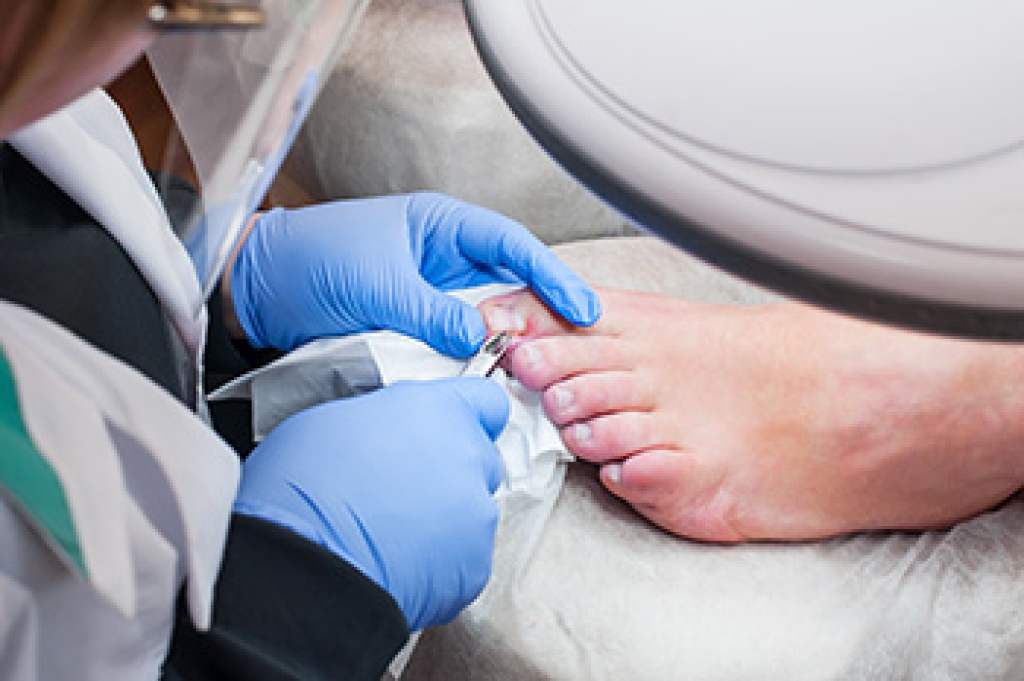
An ingrown toenail develops when the nail edge curves downward and presses into the skin beside it. This can cause pain, redness, and swelling. Drainage can appear when the area becomes infected. The problem affects the big toe and can make shoes uncomfortable. Improper nail trimming is a leading cause. An injury may damage the nail edge and change how it grows. A podiatrist can examine the toe and determine how deeply the nail has entered the skin.

Ingrown toenail removal is a minor procedure used when symptoms are severe, infection is present, or the problem keeps returning. The podiatrist numbs the toe so the patient remains comfortable. A narrow section along the affected side of the nail is then removed. The entire nail usually does not need to be taken off. For a recurring ingrown toenail, the podiatrist can treat the growth area beneath the removed section. This helps stop that part of the nail from growing back. Excess tissue beside the nail can be removed. The toe is cleaned and covered with a bandage after the procedure.

A podiatrist provides instructions for protecting the toe as it heals. Patients can usually return to work or school the following day, although activities that place heavy pressure on the toe must be limited for a short period of time. The bandage protects the area and absorbs drainage. Follow-up care allows the podiatrist to check healing and look for signs of infection. Increasing redness, swelling, or drainage should be reported promptly. Once healing is complete, proper nail care can lower the risk of another ingrown edge. Toenails should be trimmed straight across rather than rounded deeply at the corners. Shoes should also provide enough room for the toes. If you have a painful ingrown toenail, it is suggested that you schedule an appointment with a podiatrist who can determine if this type of foot surgery is right for you. 

Ingrown toenails can become painful if they are not treated properly. For more information about ingrown toenails, contact one of our podiatrists of Community Foot Specialists. Our doctors can provide the care you need to keep you pain-free and on your feet.

Ingrown Toenails

Ingrown toenails occur when a toenail grows sideways into the bed of the nail, causing pain, swelling, and possibly infection.

Causes

  • Bacterial infections
  • Improper nail cutting such as cutting it too short or not straight across
  • Trauma to the toe, such as stubbing, which causes the nail to grow back irregularly
  • Ill-fitting shoes that bunch the toes too close together
  • Genetic predisposition

Prevention

Wearing proper fitting shoes and using proper cutting techniques will also help decrease your risk of developing ingrown toenails.

Treatment

Ingrown toenails are a very treatable foot condition. In minor cases, soaking the affected area in salt or antibacterial soaps will not only help with the ingrown nail itself, but also help prevent any infections from occurring. In more severe cases, surgery is an option. In either case, speaking to your podiatrist about this condition will help you get a better understanding of specific treatment options that are right for you.

If you have any questions, please feel free to contact our offices located in Beavercreek, Dayton, and Vandalia, OH . We offer the newest diagnostic and treatment technologies for all your foot care needs.
Read more about Ingrown Toenail Care

Are You Suffering From Ingrown Toenails?

If left untreated, an ingrown toenail can lead to more serious concerns, such as an infection. Knowing proper nail care can help in the prevention of an ingrown toenail. Give us a call, and get treated!

Diabetic Foot Infections Require Prompt Care

A diabetic foot infection is develops in the skin or deeper tissues of the foot. Diabetes can make infections more difficult to notice and treat, because nerve damage may reduce sensation and poor circulation can slow healing. Common symptoms include redness, warmth, or a wound that does not improve. Some people may feel little pain despite a serious infection. Early attention can help protect healthy tissue and reduce the risk of complications.

Several factors can increase the chance of developing a diabetic foot infection. A small cut, blister, or puncture can provide an entry point for germs. Neuropathy may prevent someone from noticing an injury, while reduced blood flow can limit oxygen needed for healing. Other risks include poorly controlled blood sugar, previous ulcers, and wearing improperly fitting shoes. Checking the feet every day can help identify changes before they become more difficult to manage.

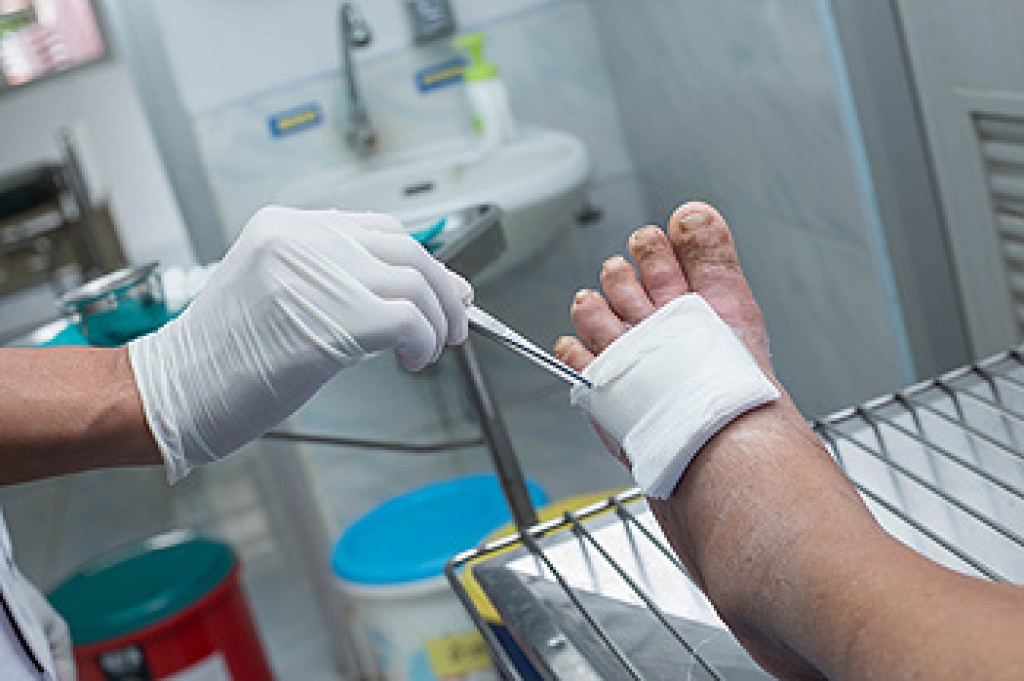
Caring for diabetic feet starts with keeping the skin clean and checking for problems each day. Wear supportive, properly fitted shoes and avoid walking barefoot. Keep blood sugar within the range recommended by your healthcare provider. If a wound or infection develops, a podiatrist may examine the skin, assess circulation and nerve function, and determine how deep the infection extends. Treatment may include wound cleaning, removal of damaged tissue, and prescription medication. Early treatment supports healing and repair. More serious infections may require imaging or additional medical care.

Prompt treatment can make a difference in diabetic foot health. Watch for changes that appear suddenly or do not improve, especially around an open sore. Do not try to cut away infected tissue or treat a significant wound on your own. If you have diabetes and have developed a foot infection, it is strongly suggested that you are under the care of a podiatrist who can help you to  manage this serious condition. 

Wound care is an important part in dealing with diabetes. If you have diabetes and a foot wound or would like more information about wound care for diabetics, consult with one of our podiatrists from Community Foot Specialists. Our doctors will assess your condition and provide you with quality foot and ankle treatment.

What Is Wound Care?

Wound care is the practice of taking proper care of a wound. This can range from the smallest to the largest of wounds. While everyone can benefit from proper wound care, it is much more important for diabetics. Diabetics often suffer from poor blood circulation which causes wounds to heal much slower than they would in a non-diabetic. 

What Is the Importance of Wound Care?

While it may not seem apparent with small ulcers on the foot, for diabetics, any size ulcer can become infected. Diabetics often also suffer from neuropathy, or nerve loss. This means they might not even feel when they have an ulcer on their foot. If the wound becomes severely infected, amputation may be necessary. Therefore, it is of the upmost importance to properly care for any and all foot wounds.

How to Care for Wounds

The best way to care for foot wounds is to prevent them. For diabetics, this means daily inspections of the feet for any signs of abnormalities or ulcers. It is also recommended to see a podiatrist several times a year for a foot inspection. If you do have an ulcer, run the wound under water to clear dirt from the wound; then apply antibiotic ointment to the wound and cover with a bandage. Bandages should be changed daily and keeping pressure off the wound is smart. It is advised to see a podiatrist, who can keep an eye on it.

If you have any questions please contact our offices located in Beavercreek, Dayton, and Vandalia, OH . We offer the newest diagnostic and treatment technologies for all your foot and ankle needs.

Read more about Wound Care

Comparing Symptoms of Gout and Bunions

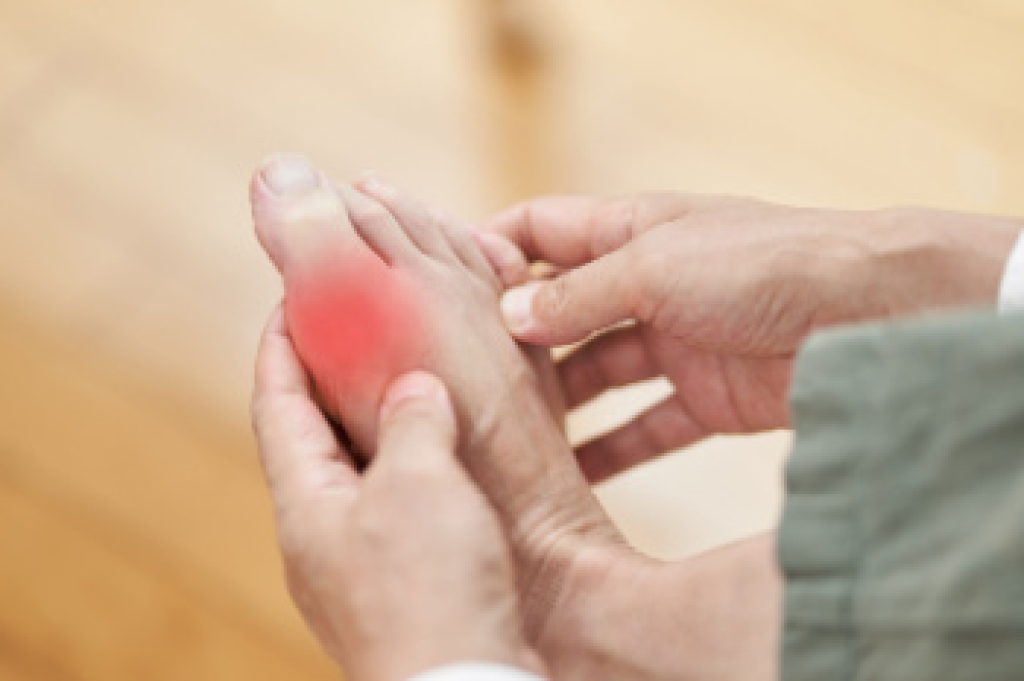
Gout is a form of inflammatory arthritis caused by uric acid crystals collecting inside a joint. It commonly targets the big toe, where an attack can cause sudden, intense pain. Gout attacks can begin at night, when cooler temperatures may encourage crystal formation in the extremities. Symptoms often develop quickly and can make walking or wearing shoes uncomfortable.

Gout develops when uric acid levels become too high and crystals form within a joint. Risk factors include family history, obesity, and diets high in purine-rich foods. Certain medications and alcohol use can raise uric acid levels. The big toe is especially vulnerable because it is one of the coolest joints in the body. Temperature changes can encourage uric acid crystals to collect there, triggering painful inflammation.


A bunion can affect the big toe, but it is different from gout. A bunion is a structural deformity where the big toe moves toward the other toes while the joint becomes prominent. Gout usually causes sudden attacks rather than a slowly developing bump. A podiatrist examines the foot and reviews your symptoms and health history. Blood tests or joint fluid testing may help confirm gout. Treatment may include medications, footwear changes, and strategies that reduce pressure during an attack.


Getting the correct diagnosis matters because gout and bunions require different treatment approaches. A podiatrist can help manage a gout attack and identify factors that may contribute to repeated episodes. Seek podiatric care when big toe pain appears suddenly or keeps returning, especially at night. If you have symptoms of gout, it is suggested that you are under the care of a podiatrist who can help you to manage this often debilitating condition.

Gout is a painful condition that can be treated. If you are seeking treatment, contact one of our podiatrists from Community Foot Specialists. Our doctors will treat your foot and ankle needs.

What Is Gout?

Gout is a form of arthritis that is characterized by sudden, severe attacks of pain, redness, and tenderness in the joints. The condition usually affects the joint at the base of the big toe. A gout attack can occur at any random time, such as the middle of the night while you are asleep.

Symptoms

  • Intense Joint Pain - Usually around the large joint of your big toe, and it most severe within the first four to twelve hours
  • Lingering Discomfort - Joint discomfort may last from a few days to a few weeks
  • Inflammation and Redness -Affected joints may become swollen, tender, warm and red
  • Limited Range of Motion - May experience a decrease in joint mobility

Risk Factors

  • Genetics - If family members have gout, you’re more likely to have it
  • Medications - Diuretic medications can raise uric acid levels
  • Gender/Age - Gout is more common in men until the age of 60. It is believed that estrogen protects women until that point
  • Diet - Eating red meat and shellfish increases your risk
  • Alcohol - Having more than two alcoholic drinks per day increases your risk
  • Obesity - Obese people are at a higher risk for gout

Prior to visiting your podiatrist to receive treatment for gout, there are a few things you should do beforehand. If you have gout you should write down your symptoms--including when they started and how often you experience them, important medical information you may have, and any questions you may have. Writing down these three things will help your podiatrist in assessing your specific situation so that he or she may provide the best route of treatment for you.

If you have any questions, please feel free to contact our offices located in Beavercreek, Dayton, and Vandalia, OH . We offer the newest diagnostic and treatment technologies for all your foot care needs.
Read more about Gout

Connect With Us