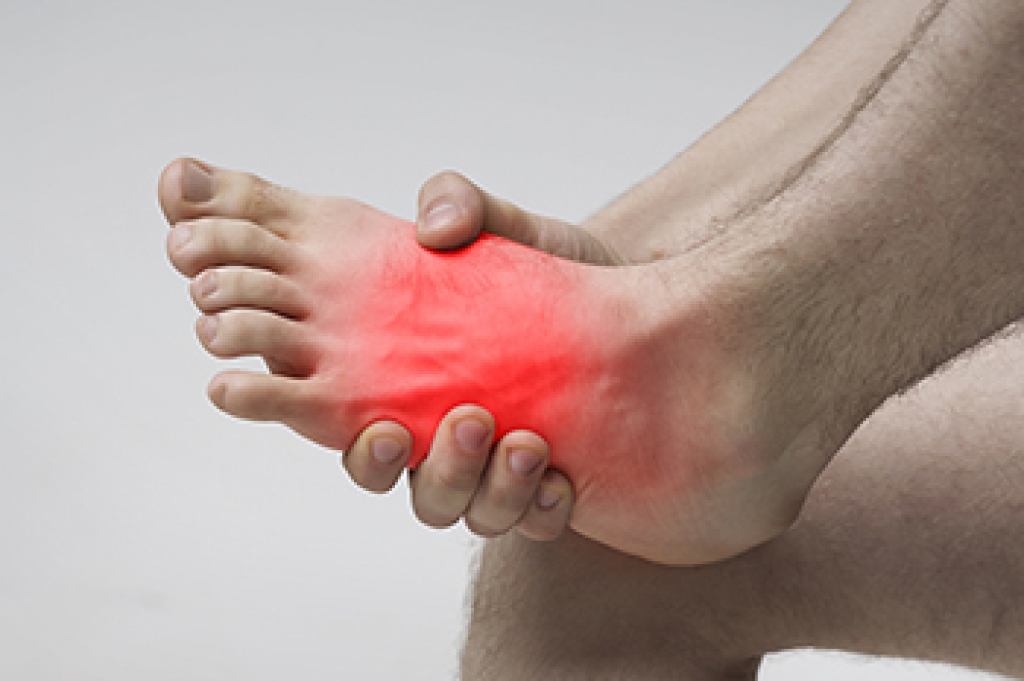
Symptoms and Risks of Midfoot Arthritis

Midfoot arthritis develops when cartilage in the arch of the foot deteriorates, causing pain, stiffness, and swelling. It often results from injury, aging, or long-term wear-and-tear on the joints. Many people notice discomfort during push-off when walking or while standing for long periods of time. Treatment focuses on relieving pain and maintaining mobility. Non-surgical options include wearing supportive footwear, custom orthotics, anti-inflammatory medications, and targeted exercises. When symptoms progress, corticosteroid injections or surgical fusion may be considered to stabilize the joints and reduce pain. If untreated, midfoot arthritis may worsen, leading to chronic pain, deformity, and limited activity. Early care helps preserve function and prevent complications. If you are experiencing ongoing foot pain or stiffness, it is suggested you see a podiatrist for an evaluation and appropriate treatment.

Arthritis can be a difficult condition to live with. If you are seeking treatment, contact one of our podiatrists from Community Foot Specialists. Our doctors can provide the care you need to keep you pain-free and on your feet.

Arthritic Foot Care  

Arthritis is a term that is commonly used to describe joint pain.  The condition itself can occur to anyone of any age, race, or gender, and there are over 100 types of it.  Nevertheless, arthritis is more commonly found in women compared to men, and it is also more prevalent in those who are overweight. The causes of arthritis vary depending on which type of arthritis you have. Osteoarthritis for example, is often caused by injury, while rheumatoid arthritis is caused by a misdirected immune system.

Symptoms

  • Swelling
  • Pain
  • Stiffness
  • Decreased Range of Motion

Arthritic symptoms range in severity, and they may come and go. Some symptoms stay the same for several years but could potentially get worse with time. Severe cases of arthritis can prevent its sufferers from performing daily activities and make walking difficult.

Risk Factors

  • Occupation – Occupations requiring repetitive knee movements have been linked to osteoarthritis
  • Obesity – Excess weight can contribute to osteoarthritis development
  • Infection – Microbial agents can infect the joints and trigger arthritis
  • Joint Injuries – Damage to joints may lead to osteoarthritis
  • Age – Risk increases with age
  • Gender –Most types are more common in women
  • Genetics – Arthritis can be hereditary

If you suspect your arthritis is affecting your feet, it is crucial that you see a podiatrist immediately. Your doctor will be able to address your specific case and help you decide which treatment method is best for you.

If you have any questions please feel free to contact our offices located in Beavercreek, Dayton, and Vandalia, OH . We offer the newest diagnostic tools and technology to treat your foot and ankle needs.

Read more about How to Care for Your Arthritic Foot

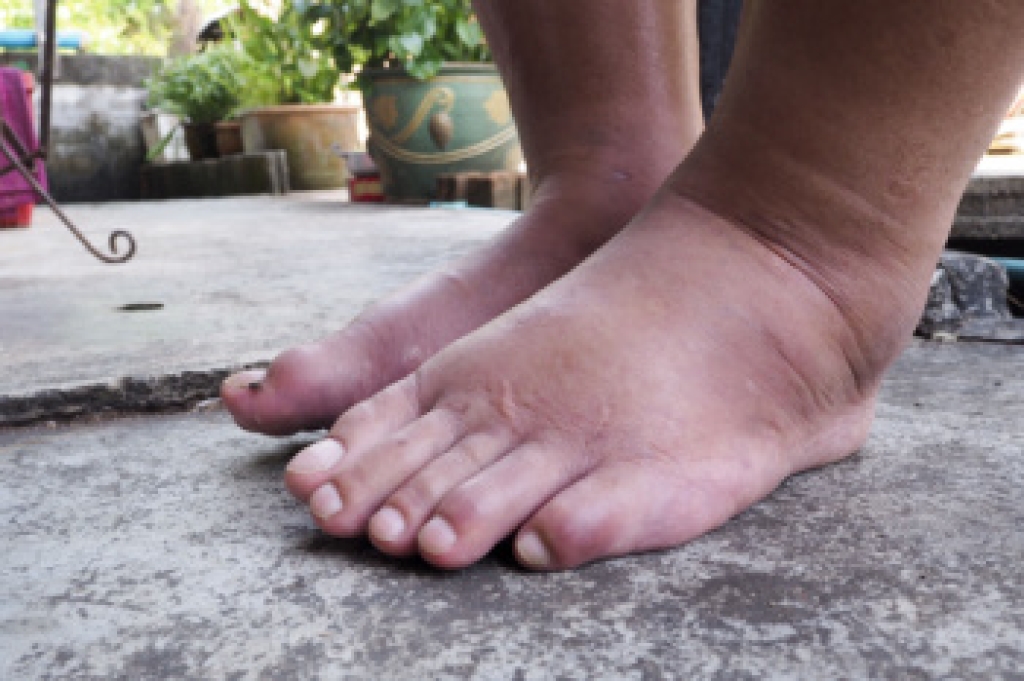
Dealing With Swollen Feet

Swelling of the feet and ankles, also known as edema, occurs when excess fluid collects in the tissues. This may develop gradually or appear suddenly, causing the feet to look puffy, tight, or shiny. Shoes may feel tighter, and pressing on the skin may leave a temporary indentation. Swelling can be caused by standing or sitting for long periods, of time, injury, and pregnancy. Underlying conditions like circulation problems, heart disease, or kidney issues may also contribute. In addition, swelling may be linked to medications or inflammation in the foot or ankle joints. A podiatrist can help determine whether the swelling is related to a localized foot condition or part of a broader medical concern. Evaluation includes examining circulation, joint health, and skin condition. Treatment options include compression therapy, elevation, footwear recommendations, and targeted exercises to improve circulation. If you have persistent or unexplained swelling of the feet, it is suggested that you schedule an appointment with a podiatrist who can determine what the cause is, and offer appropriate relief and treatment tips.

Swollen feet can be a sign of an underlying condition. If you have any concerns, contact one of our podiatrists of Community Foot Specialists. Our doctors can provide the care you need to keep you pain-free and on your feet.

Swollen feet are a common ailment among pregnant women and people who stand or sit for extended periods. Aging may increase the possibility of swollen feet and patients who are obese often notice when their feet are swelling too. There may be medical reasons why swollen feet occur:

  • Phlebitis - A condition that causes the veins to become inflamed and can also cause leg pain.
  • Liver disease - This may lead to low blood levels of albumin which is a protein. This can cause fluid in the blood to pass into the tissues and several areas of the body can become swollen.
  • Heart failure - When the heart doesn’t pump properly the blood that is normally pumped back to the heart can pool in the veins of the legs causing swollen feet.
  • Kidney disease - One of the main functions of the kidneys is releasing excess fluid in the body. This type of condition can make it difficult for the kidneys to function properly, and as a result the feet may become swollen.
  • Deep-vein thrombosis (DVT)- This is a serious condition where blood clots form in the veins of the legs. They can block the return of blood from the legs to the heart which may cause the feet to swell. It is important to be treated by a podiatrist if this condition is present.

Swollen feet can also be caused by bone and tendon conditions, including fractures, arthritis, and tendinitis. Additionally, there may be skin and toenail conditions and an infection may cause the feet to swell. Patients who take medicine to treat high blood pressure may be prone to getting swollen feet. 

Many patients elevate their feet to help relieve the swelling and this is generally a temporary remedy. When a podiatrist is consulted the reason behind the swelling can be uncovered and subsequently treated.

If you have any questions please contact our offices located in Beavercreek, Dayton, and Vandalia, OH . We offer the newest diagnostic and treatment technologies for all your foot and ankle needs.

Read more about Swelling of the Feet

Do You Suffer From Painful Feet?

Painful deformities, such as hammertoes, can be treated. Stop living with foot pain, and have beautiful feet again!

Causes of Ankle Pain

Ankle pain refers to discomfort in the joint formed by the tibia, fibula, and talus bones, which work together to support movement and balance. Pain can result from injuries to any of these bones, or the ligaments and cartilage between them. Common causes include awkward turning, twisting, or rolling of the ankle, as well as repetitive strain from overuse. This condition is especially common among athletes and active individuals. Risk factors include wearing improper footwear, uneven surfaces, and poor conditioning. Symptoms may include swelling, stiffness, bruising, and difficulty walking. A podiatrist can diagnose the source of pain, provide targeted treatment, and recommend supportive footwear or orthotics. Early care can prevent further injury and restore mobility. If you have ankle pain, it is suggested that you promptly consult a podiatrist who can determine what the cause is, and offer appropriate relief and treatment solutions.

Ankle pain can be caused by a number of problems and may be potentially serious. If you have ankle pain, consult with one of our podiatrists from Community Foot Specialists. Our doctors will assess your condition and provide you with quality foot and ankle treatment.

Ankle pain is any condition that causes pain in the ankle. Due to the fact that the ankle consists of tendons, muscles, bones, and ligaments, ankle pain can come from a number of different conditions.

Causes

The most common causes of ankle pain include:

  • Types of arthritis (rheumatoid, osteoarthritis, and gout)
  • Ankle sprains
  • Broken ankles
  • Achilles tendonitis
  • Achilles tendon rupture
  • Stress fractures
  • Bursitis
  • Tarsal tunnel syndrome
  • Plantar fasciitis

Symptoms

Symptoms of ankle injury vary based upon the condition. Pain may include general pain and discomfort, swelling, aching, redness, bruising, burning or stabbing sensations, and/or loss of sensation.

Diagnosis

Due to the wide variety of potential causes of ankle pain, podiatrists will utilize a number of different methods to properly diagnose ankle pain. This can include asking for personal and family medical histories and of any recent injuries. Further diagnosis may include sensation tests, a physical examination, and potentially x-rays or other imaging tests.

Treatment

Just as the range of causes varies widely, so do treatments. Some more common treatments are rest, ice packs, keeping pressure off the foot, orthotics and braces, medication for inflammation and pain, and surgery.

If you have any questions please feel free to contact our offices located in Beavercreek, Dayton, and Vandalia, OH . We offer the newest diagnostic tools and technology to treat your foot and ankle needs.

Read more about Ankle Pain

A Rare Cause of Leg Pain and Involuntary Toe Movements

Painful legs and moving toes syndrome is an uncommon condition that causes ongoing leg discomfort along with slow, involuntary toe movements. The pain is often described as aching, burning, or deep, and can be constant or come and go. At the same time, the toes may move on their own in a twisting or writhing pattern without control. This condition is sometimes linked to nerve injury, spinal problems, or past trauma, but the exact cause is not always clear. Diagnosis involves a detailed exam and may include imaging or nerve testing to rule out other conditions. Treatment focuses on reducing pain and controlling movement through medications, nerve-based therapies, or targeted exercise. Because symptoms can be complex and long-lasting, early evaluation is important. If you notice ongoing leg pain with unusual toe movements, it is suggested that you see a podiatrist for a proper diagnosis and appropriate treatment.

Some foot conditions may require additional professional care. If you have any concerns, contact one of our podiatrists of Community Foot Specialists. Our doctors can provide the care you need to keep you pain-free and on your feet.

Rare Foot Conditions

The majority of foot conditions are common and can be treated by a podiatrist.  Standard diagnostic procedures are generally used to identify specific conditions and treatment can be rendered. A podiatrist also treats rare foot conditions which can be difficult to diagnose and may need extra attention and care. 

There are many rare foot conditions that can affect children. Some of these can include:

  • Freiberg’s disease
  • Kohler’s disease
  • Maffucci syndrome

Freiberg’s disease - This can be seen as a deterioration and flattening of a metatarsal bone that exists in the ball of the foot. It typically affects pre-teen and teenage girls, but can affect anyone at any age. Symptoms that can accompany this can be swelling, stiffness, and the patient may limp. 

Kohler’s disease - This often targets the bone in the arch of the foot and affects younger boys. It can lead to an interruption of the blood supply which ultimately can lead to bone deterioration. The patient may limp or experience tenderness, swelling, and redness.

Maffucci syndrome - This affects the long bones in a child’s foot leading to the development of abnormal bone lesions. They are benign growths and typically develop in early childhood and the bones may be susceptible to breaking. 

A podiatrist can properly diagnose and treat all types of rare foot conditions. If your child is affected by any of these symptoms or conditions, please don’t hesitate to call our office so the correct treatment method can begin.

If you have any questions, please feel free to contact our offices located in Beavercreek, Dayton, and Vandalia, OH . We offer the newest diagnostic and treatment technologies for all your foot care needs.

Read more about Rare Foot Conditions

Connect With Us