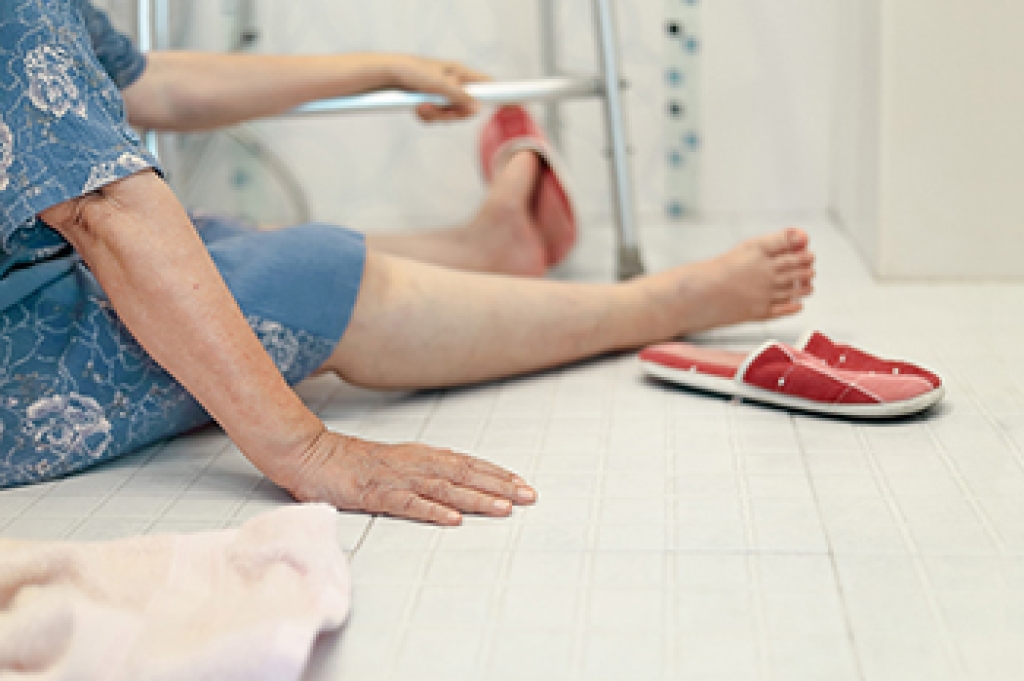
Taping and Cuboid Syndrome

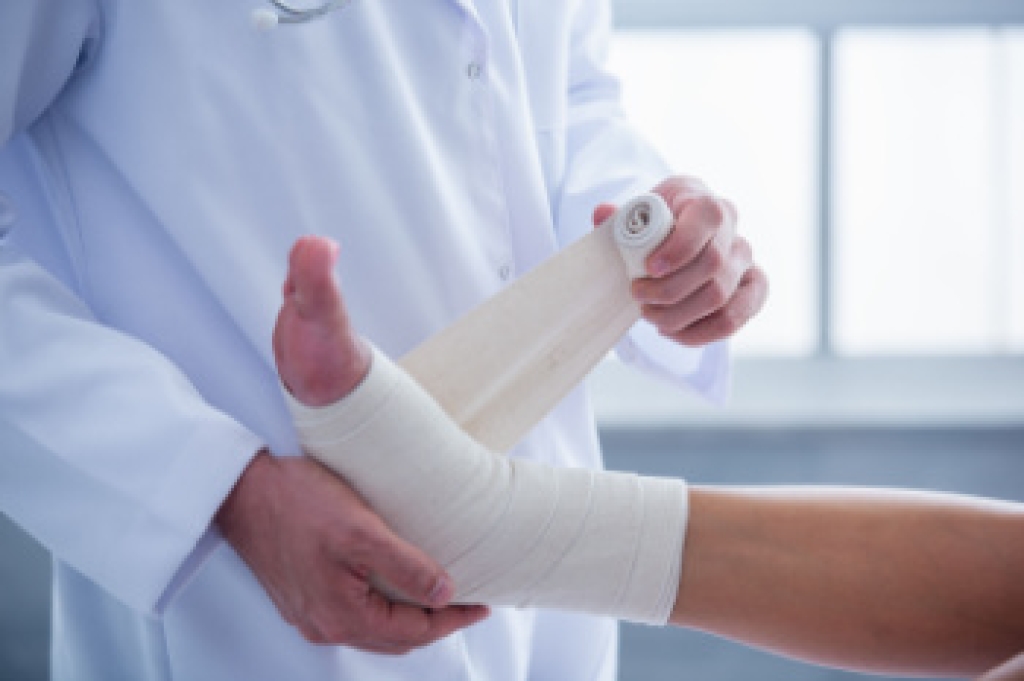
Some conditions of the foot can occur when certain bones in the feet become misaligned. Cuboid syndrome is one such foot condition. It occurs when the cuboid bone, located on the outside of the foot, moves out of alignment. To address this foot affliction, a patient may take several steps. Commonly, an individual might utilize taping to treat their cuboid syndrome. A medical professional can use taping on a patient by wrapping medical tape around the foot. This is done to ultimately stabilize the foot and its bones, ensuring that the affected cuboid bone stays in proper alignment. If taping is effective, it will help the affected area of the foot heal and return to normal. If you have cuboid syndrome, it is highly suggested that you schedule an appointment with a podiatrist today for treatment.  

Cuboid syndrome, also known as cuboid subluxation, occurs when the joints and ligaments near the cuboid bone in the foot become torn. If you have cuboid syndrome, consult with one of our podiatrists from Community Foot Specialists. Our doctors will assess your condition and provide you with quality foot and ankle treatment.

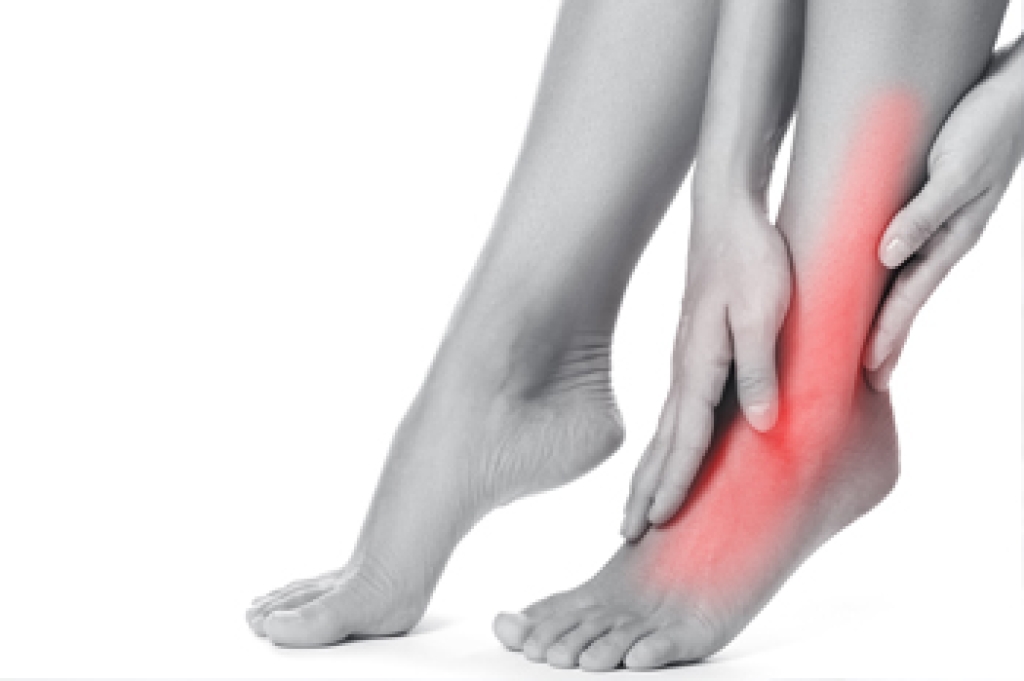
Cuboid syndrome is a common cause of lateral foot pain, which is pain on the outside of the foot. The condition may happen suddenly due to an ankle sprain, or it may develop slowly overtime from repetitive tension through the bone and surrounding structures.

Causes

The most common causes of cuboid syndrome include:

  • Injury – The most common cause of this ailment is an ankle sprain.
  • Repetitive Strain – Tension placed through the peroneus longus muscle from repetitive activities such as jumping and running may cause excessive traction on the bone causing it to sublux.
  • Altered Foot Biomechanics – Most people suffering from cuboid subluxation have flat feet.

Symptoms

A common symptom of cuboid syndrome is pain along the outside of the foot which can be felt in the ankle and toes. This pain may create walking difficulties and may cause those with the condition to walk with a limp.

Diagnosis

Diagnosis of cuboid syndrome is often difficult, and it is often misdiagnosed. X-rays, MRIs and CT scans often fail to properly show the cuboid subluxation. Although there isn’t a specific test used to diagnose cuboid syndrome, your podiatrist will usually check if pain is felt while pressing firmly on the cuboid bone of your foot.

Treatment

Just as the range of causes varies widely, so do treatments. Some more common treatments are ice therapy, rest, exercise, taping, and orthotics.

If you have any questions, please feel free to contact our offices located in Beavercreek, Dayton, and Vandalia, OH . We offer the newest diagnostic and treatment technologies for all your foot care needs.
Read more about All About Cuboid Syndrome

Orthotics and Martial Arts

Those who engage in martial arts should be familiar with protecting the body and feet when participating in these combat activities. However, some individuals who practice martial arts may need additional support for their feet. To address this, a martial arts participant might use a special kind of orthotic device that is specifically made for this activity. These orthotics provide support for the feet through foot arch padding. However, the orthotics are designed to be worn without shoes and in a way that maximizes barefoot contact with the floor. In other words, these orthotics try to imitate the feeling of being barefoot on the ground. Some of these particular orthotic devices wrap around the ankle and the front of the foot. If you are someone that engages in martial arts, it is highly suggested that you schedule an appointment today with a podiatrist.  

If you are having discomfort in your feet and would like to try orthotics, contact one of our podiatrists from Community Foot Specialists. Our doctors can provide the care you need to keep you pain-free and on your feet.

What Are Orthotics?

Orthotics are inserts you can place into your shoes to help with a variety of foot problems such as flat feet or foot pain. Orthotics provide relief and comfort for minor foot and heel pain but can’t correct serious biomechanical problems in your feet.

Over-the-Counter Inserts

Orthotics come in a wide variety of over-the-counter inserts that are used to treat foot pain, heel pain, and minor problems. For example, arch supports can be inserted into your shoes to help correct overarched or flat feet, while gel insoles are often used because they provide comfort and relief from foot and heel pain by alleviating pressure.

Prescription Orthotics

If over-the-counter inserts don’t work for you or if you have a more severe foot concern, it is possible to have your podiatrist prescribe custom orthotics. These high-quality inserts are designed to treat problems such as abnormal motion, plantar fasciitis, and severe forms of heel pain. They can even be used to help patients suffering from diabetes by treating foot ulcers and painful calluses and are usually molded to your feet individually, which allows them to provide full support and comfort.

If you are experiencing minor to severe foot or heel pain, it’s recommended to speak with your podiatrist about the possibilities of using orthotics. A podiatrist can determine which type of orthotic is right for you and allow you to take the first steps towards being pain-free.

If you have any questions, please feel free to contact our offices located in Beavercreek, Dayton, and Vandalia, OH . We offer the newest diagnostic and treatment technologies for all your foot care needs.
Read more about Foot Orthotics

Swollen Feet Is a Normal Part of Pregnancy

Having swollen feet and ankles is a normal condition many pregnant women experience. It is generally temporary, despite the discomfort it can bring. One of the changes the body undergoes consists of retaining fluids, which often collect in the lower extremities. The developing fetus causes the blood to become thicker, providing the necessary nutrients during this time. It is helpful to avoid standing for prolonged periods, and walking can help to improve circulation. If the swelling is severe, compression stockings may be worn that can help to move the fluids away from the ankles. Additionally, the swelling may be reduced when sodium intake is limited, and cool environments are preferred, keeping the body temperature comfortable. If you would like more information about how pregnancy affects the feet, it is suggested that you consult with a podiatrist who can address any concerns you may have.

Pregnant women with swollen feet can be treated with a variety of different methods that are readily available. For more information about other cures for swollen feet during pregnancy, consult with one of our podiatrists from Community Foot Specialists. Our doctors will attend to all of your foot and ankle needs.

What Foot Problems Can Arise During Pregnancy?

One problem that can occur is overpronation, which occurs when the arch of the foot flattens and tends to roll inward.  This can cause pain and discomfort in your heels while you’re walking or even just standing up, trying to support your baby.  

Another problem is edema, or swelling in the extremities. This often affects the feet during pregnancy but tends to occur in the later stages. 

How Can I Keep My Feet Healthy During Pregnancy?

  • Wearing orthotics can provide extra support for the feet and help distribute weight evenly
  • Minimize the amount of time spent walking barefoot
  • Wear shoes with good arch support
  • Wear shoes that allow for good circulation to the feet
  • Elevate feet if you experience swelling
  • Massage your feet
  • Get regular, light exercise, such as walking, to promote blood circulation to the feet

If you have any questions, please feel free to contact our offices located in Beavercreek, Dayton, and Vandalia, OH . We offer the newest diagnostic and treatment technologies for all your foot care needs.

Read more about Pregnancy and Foot Health

Effective Methods for Foot Care

The feet are complex and have 26 bones connected to several ligaments, tendons, and muscles. Studies have shown the average person will walk twice the distance around the earth in their lifetimes, and this can wreak havoc on the feet. It is beneficial to maintain an everyday foot care routine, which can help the feet to feel and look their best. The feet are often taken for granted, and potential foot conditions may be avoided when inspected and pampered. A good routine can begin with washing and drying the feet thoroughly, followed by applying a good moisturizer. This helps replace lost moisture that can come from wearing shoes that have an open back. It is important to choose shoes that fit correctly. This can be done at the end of the day when the feet are their largest. Toenails are trimmed properly when they are cut straight across instead of in a curved fashion. Stretching the feet can feel good, and research has shown that walking is the best exercise for the feet. If you would like additional tips on how to practice everyday foot care, it is suggested that you ask a podiatrist who can provide you with the information you are seeking.

Everyday foot care is very important to prevent infection and other foot ailments. If you need your feet checked, contact one of our podiatrists from Community Foot Specialists. Our doctors can provide the care you need to keep you pain-free and on your feet.

Everyday Foot Care

Often, people take care of their bodies, face and hair more so than they do for their feet. But the feet are a very important aspect of our bodies, and one that we should pay more attention to. Without our feet, we would not be able to perform most daily tasks.

It is best to check your feet regularly to make sure there are no new bruises or cuts that you may not have noticed before. For dry feet, moisturizer can easily be a remedy and can be applied as often as necessary to the affected areas. Wearing shoes that fit well can also help you maintain good foot health, as well as making it easier to walk and do daily activities without the stress or pain of ill-fitting shoes, high heels, or even flip flops. Wearing clean socks with closed shoes is important to ensure that sweat and bacteria do not accumulate within the shoe. Clean socks help to prevent Athlete’s foot, fungi problems, bad odors, and can absorb sweat.

If you have any questions, please feel free to contact our offices located in Beavercreek, Dayton, and Vandalia, OH . We offer the newest diagnostic and treatment technologies for all your foot care needs.

Read more about Every Day Foot Care

Plantar Warts Can Be Treated!

Plantar warts are small growths that develop on parts of the feet that bear weight. They're typically found on the bottom of the foot. Don't live with plantar warts, and call us today!

Connect With Us