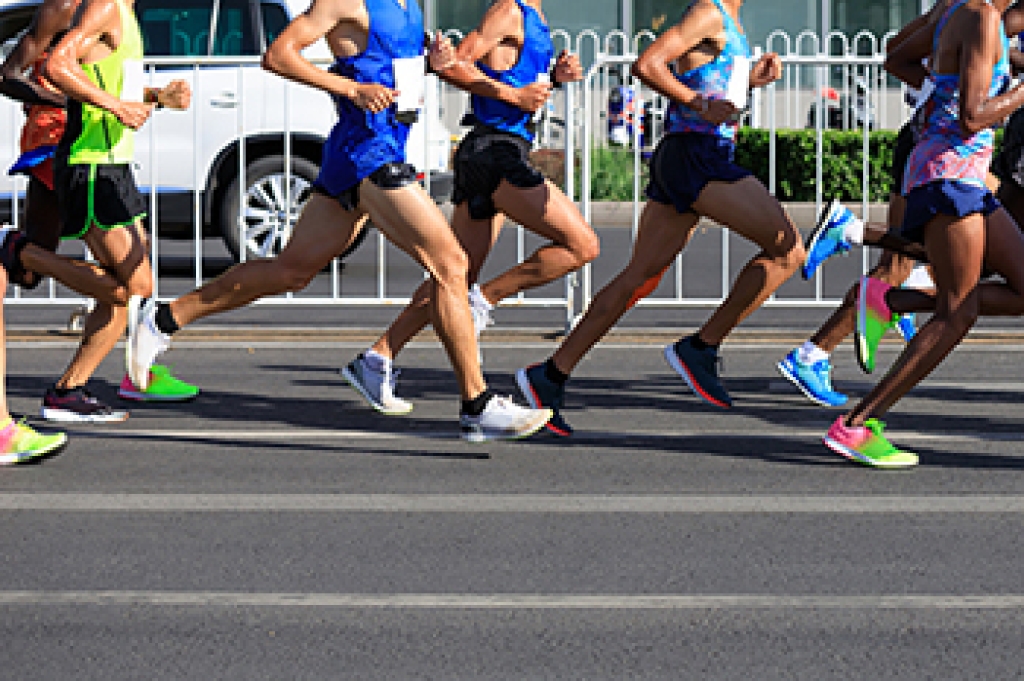
Starting to run is easier when shoes fit well and match your needs. A beginner does not need the most expensive pair, but comfort and proper support are important. Running shoes should feel secure around the heel without rubbing or slipping. The toe box should provide enough space for the toes to spread without pressing against the front. Since feet can swell while running, a thumb’s width of space beyond the longest toe is helpful. Shop for shoes later in the day, when the feet are slightly larger. Try on both shoes with the type of socks you plan to use for running.
Running shoes are made with different levels of cushioning, flexibility, and support. The right features depend on your foot shape and how your feet move. Some runners have arches that flatten too much with each step, while others have high arches that absorb less shock. Consider the surfaces where you plan to run. Road-running shoes are designed for pavement and other smooth surfaces. Trail-running shoes provide added grip for dirt paths, rocks, and uneven ground. Replace shoes when the soles become worn, cushioning feels flat, or new pain develops.
A podiatrist can examine your feet and evaluate how you stand, walk, and run. This assessment can identify flat feet, high arches, or unusual foot movement that may raise the risk of injury. Custom orthotics may also be prescribed to improve support and control harmful movement inside the shoe. New runners should increase their distance gradually and pay attention to persistent discomfort. Pain in the heel, arch, or ankle can indicate that the shoes do not fit correctly. It can also signal an injury that needs professional care. If your feet hurt after running, it is suggested that you consult a podiatrist who can offer effective treatment solutions and additional guidance on how to choose running shoes that are right for you.
For more information about walking shoes versus running shoes, consult with one of our podiatrists from Community Foot Specialists. Our doctors can measure your feet to determine what your needs are and help you find an appropriate pair of footwear.
Foot Health: The Differences between Walking & Running Shoes
There are great ways to stay in shape: running and walking are two great exercises to a healthy lifestyle. It is important to know that running shoes and walking shoes are not interchangeable. There is a key difference on how the feet hit the ground when someone is running or walking. This is why one should be aware that a shoe is designed differently for each activity.
You may be asking yourself what the real differences are between walking and running shoes and the answers may shock you.
Differences
Walking doesn’t involve as much stress or impact on the feet as running does. However, this doesn’t mean that you should be any less prepared. When you’re walking, you land on your heels and have your foot roll forward. This rolling motion requires additional support to the feet.
Flexibility – Walking shoes are designed to have soft, flexible soles. This allows the walker to push off easily with each step.
If you have any questions, please feel free to contact our offices located in Beavercreek, Dayton, and Vandalia, OH . We offer the newest diagnostic and treatment technologies for all your foot care needs.
