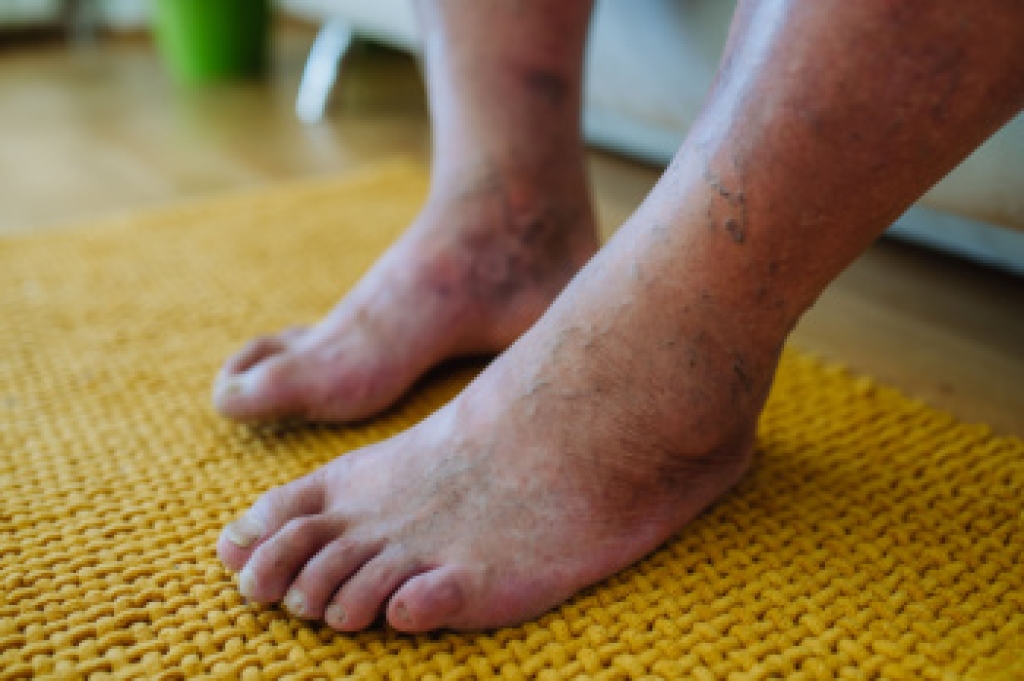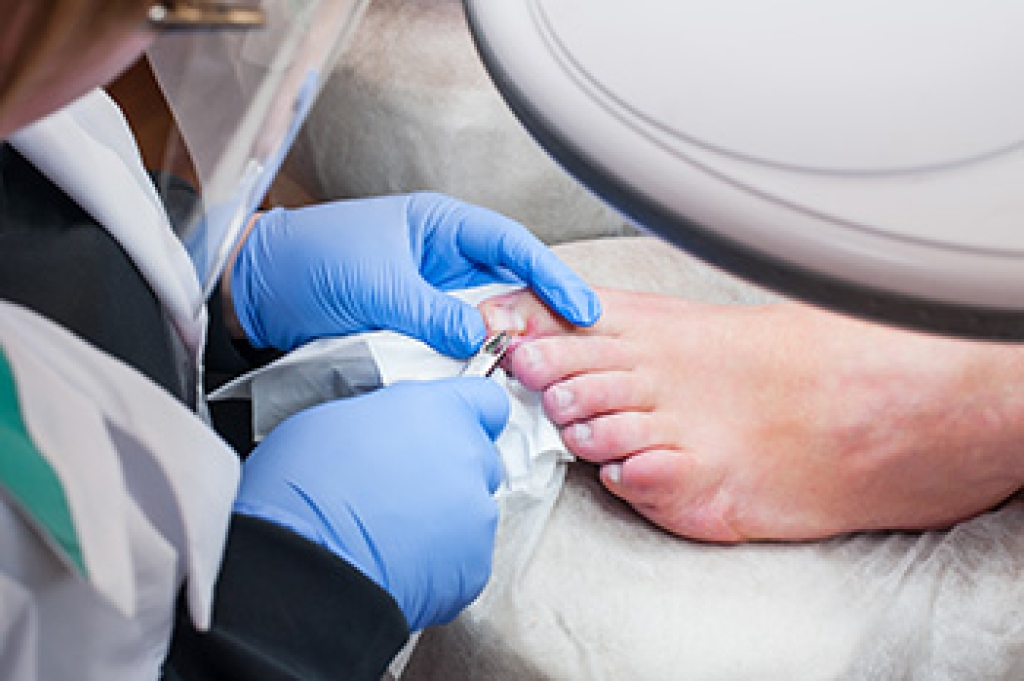
Understanding the Condition Called Neuropathy

Neuropathy, often referred to as peripheral neuropathy, is a complex and often misunderstood medical condition that affects the peripheral nerves, which are responsible for transmitting signals from the brain and spinal cord to the rest of the body. This disorder disrupts the normal functioning of these nerves, leading to a range of symptoms. Neuropathy can manifest as tingling, burning, or stabbing sensations, often in the hands and feet, but it can affect other areas as well. Numbness, weakness, and muscle atrophy may occur over time. The condition can be caused by various factors, including diabetes, certain medications, and infections, in addition to genetic predispositions. Managing neuropathy involves addressing the underlying cause if known, and alleviating symptoms. Treatments may include medication to manage pain and lifestyle adjustments to prevent further nerve damage. Understanding neuropathy is the first step in seeking appropriate care and support for those affected by this challenging condition. If you are experiencing symptoms of neuropathy, it is suggested that you schedule an appointment with a podiatrist who can accurately diagnose and treat this condition.

Neuropathy

Neuropathy can be a potentially serious condition, especially if it is left undiagnosed. If you have any concerns that you may be experiencing nerve loss in your feet, consult with one of our podiatrists from Community Foot Specialists. Our doctors will assess your condition and provide you with quality foot and ankle treatment for neuropathy.

What Is Neuropathy?

Neuropathy is a condition that leads to damage to the nerves in the body. Peripheral neuropathy, or neuropathy that affects your peripheral nervous system, usually occurs in the feet. Neuropathy can be triggered by a number of different causes. Such causes include diabetes, infections, cancers, disorders, and toxic substances.

Symptoms of Neuropathy Include:

  • Numbness
  • Sensation loss
  • Prickling and tingling sensations
  • Throbbing, freezing, burning pains
  • Muscle weakness

Those with diabetes are at serious risk due to being unable to feel an ulcer on their feet. Diabetics usually also suffer from poor blood circulation. This can lead to the wound not healing, infections occurring, and the limb may have to be amputated.

Treatment

To treat neuropathy in the foot, podiatrists will first diagnose the cause of the neuropathy. Figuring out the underlying cause of the neuropathy will allow the podiatrist to prescribe the best treatment, whether it be caused by diabetes, toxic substance exposure, infection, etc. If the nerve has not died, then it’s possible that sensation may be able to return to the foot.

Pain medication may be issued for pain. Electrical nerve stimulation can be used to stimulate nerves. If the neuropathy is caused from pressure on the nerves, then surgery may be necessary.

If you have any questions, please feel free to contact our offices located in Beavercreek, Dayton, and Vandalia, OH . We offer the newest diagnostic and treatment technologies for all your foot care needs.


Read more about Neuropathy

Causes and Treatment Options for Bunions

Bunions are bony bumps that form at the base of the big toe and are a common foot condition that can cause pain and discomfort. Bunions typically develop due to a combination of factors. Genetics plays a role, and if bunions run in your family, you may be more susceptible. Wearing ill-fitting shoes, especially those with narrow toe boxes or high heels, can exacerbate the condition. Overpronation, when the foot rolls inward excessively, and certain medical conditions, such as arthritis, can contribute to bunion formation. Symptoms of bunions often include pain, swelling, and redness at the base of the big toe. The big toe may also lean toward the other toes or overlap them. Corns and calluses can develop where the big toe rubs against the adjacent toes. Treatment options for bunions consist of lifestyle changes, including wearing wider and more comfortable shoes, custom orthotics or bunion pads. In more severe cases, surgical intervention may be necessary to realign the toe joint. By understanding bunions and seeking appropriate care from a podiatrist, individuals can effectively manage their symptoms and maintain foot health. If you have developed a bunion, it is strongly suggested that you consult with this type of doctor who can help you to manage this condition.

If you are suffering from bunion pain, contact one of our podiatrists of Community Foot Specialists. Our doctors can provide the care you need to keep you pain-free and on your feet.

What Is a Bunion?

Bunions are painful bony bumps that usually develop on the inside of the foot at the joint of the big toe. As the deformity increases over time, it may become painful to walk and wear shoes. Women are more likely to exacerbate existing bunions since they often wear tight, narrow shoes that shift their toes together. Bunion pain can be relieved by wearing wider shoes with enough room for the toes.

Causes

  • Genetics – some people inherit feet that are more prone to bunion development
  • Inflammatory Conditions - rheumatoid arthritis and polio may cause bunion development

Symptoms

  • Redness and inflammation
  • Pain and tenderness
  • Callus or corns on the bump
  • Restricted motion in the big toe

In order to diagnose your bunion, your podiatrist may ask about your medical history, symptoms, and general health. Your doctor might also order an x-ray to take a closer look at your feet. Nonsurgical treatment options include orthotics, padding, icing, changes in footwear, and medication. If nonsurgical treatments don’t alleviate your bunion pain, surgery may be necessary.

If you have any questions, please feel free to contact our offices located in Beavercreek, Dayton, and Vandalia, OH . We offer the newest diagnostic and treatment technologies for all your foot care needs.
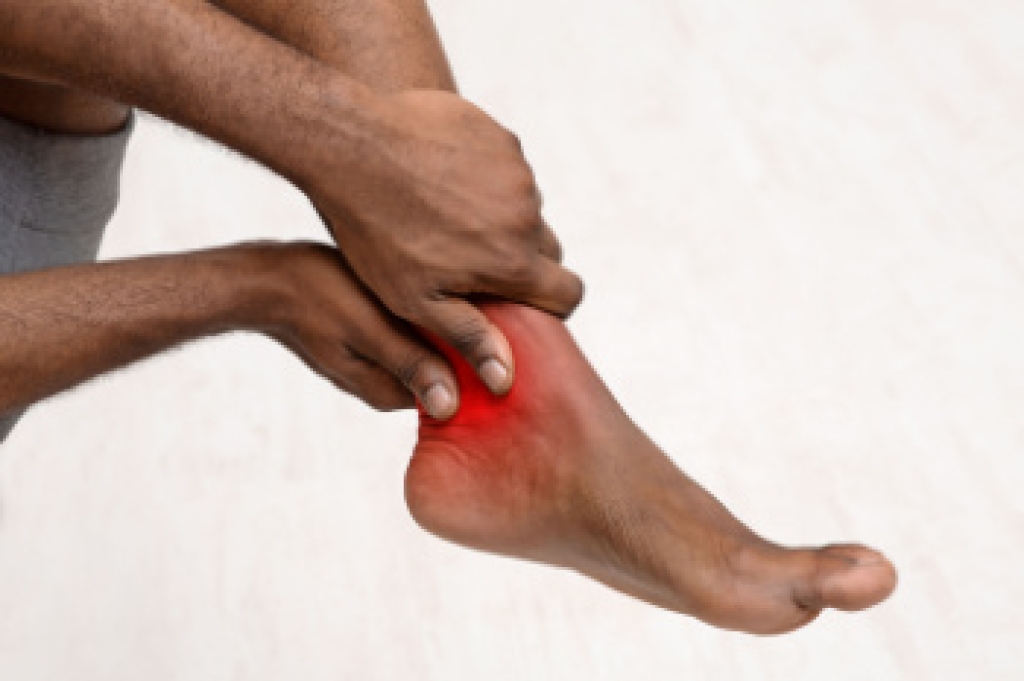
Read more about Bunions

Managing Ganglion Cysts on the Feet

Ganglion cysts may not be a commonly heard term when it comes to foot issues, but they can affect the feet. These benign lumps are typically filled with a jelly-like fluid and often appear on tendons or joints. Symptoms of ganglion cysts on the feet include a noticeable lump or bump on the top of the foot, near the toes or ankle. You may also experience discomfort or pain, especially while walking or wearing tight-fitting shoes. In some cases, the cyst can press on nearby nerves, leading to tingling or numbness in the affected area. Ganglion cysts on the feet can develop due to irritation or trauma to the nearby joints or tendons, but they are generally thought to be harmless. However, they can cause discomfort or pain, especially when they press on surrounding nerves. Treatment options for ganglion cysts on the feet vary, and in some cases, they may resolve on their own. But if a ganglion cyst causes pain or interferes with your daily activities, it is suggested that you make an appointment with a podiatrist who can recommend treatments such as aspiration, or fluid removal. In rare cases, surgical removal may be prescribed. 

Foot Pain

Foot pain can be extremely painful and debilitating. If you have a foot pain, consult with one of our podiatrists from Community Foot Specialists. Our doctors will assess your condition and provide you with quality foot and ankle treatment.

Causes

Foot pain is a very broad condition that could be caused by one or more ailments. The most common include:

  • Bunions
  • Hammertoes
  • Plantar Fasciitis
  • Bone Spurs
  • Corns
  • Tarsal Tunnel Syndrome
  • Ingrown Toenails
  • Arthritis (such as Gout, Rheumatoid, and Osteoarthritis)
  • Flat Feet
  • Injury (from stress fractures, broken toe, foot, ankle, Achilles tendon ruptures, and sprains)
  • And more

Diagnosis

To figure out the cause of foot pain, podiatrists utilize several different methods. This can range from simple visual inspections and sensation tests to X-rays and MRI scans. Prior medical history, family medical history, and any recent physical traumatic events will all be taken into consideration for a proper diagnosis.

Treatment

Treatment depends upon the cause of the foot pain. Whether it is resting, staying off the foot, or having surgery; podiatrists have a number of treatment options available for foot pain.

If you have any questions, please feel free to contact our offices located in Beavercreek, Dayton, and Vandalia, OH . We offer the newest diagnostic and treatment technologies for all your foot care needs.

Read more about Foot Pain

Effective Exercises for Common Foot Problems

Our feet bear the weight of our bodies and often endure a considerable amount of stress, making them vulnerable to various problems. Whether you suffer from plantar fasciitis, flat feet, or general foot pain, incorporating targeted foot exercises into your routine can be beneficial in terms of pain relief and promoting overall foot health. An effective foot exercise is toe stretches. This is done while sitting down and using your hands to stretch each toe gently, holding for a few seconds. This stretch helps improve toe flexibility and relieve tension. For plantar fasciitis, calf stretches can be extremely effective. Stand facing a wall, place one foot behind the other, and lean forward while keeping both heels on the ground. Strengthening exercises such as heel raises can aid those individuals with flat feet. Stand on your tiptoes and then slowly lower your heels to the ground. This exercise strengthens the arch supporting muscles. Toe-tapping is done by tapping your toes on the ground while seated, which can help to stimulate circulation and alleviate discomfort. It is helpful to perform these exercises consistently and as part of a broader foot care routine. Additionally, it is suggested that you consult with a podiatrist for personalized recommendations based on your specific foot problem. 

Exercising your feet regularly with the proper foot wear is a great way to prevent injuries and build strength. If you have any concerns about your feet, contact one of our podiatrists from Community Foot Specialists. Our doctors can provide the care you need to keep you pain-free and on your feet.

Exercise for Your Feet

Exercise for your feet can help you gain strength, mobility and flexibility in your feet. They say that strengthening your feet can be just as rewarding as strengthening another part of the body. Your feet are very important, and we often forget about them in our daily tasks. But it is because of our feet that are we able to get going and do what we need to. For those of us fortunate enough to not have any foot problems, it is an important gesture to take care of them to ensure good health in the long run.

Some foot health exercises can include ankle pumps, tip-toeing, toe rises, lifting off the floor doing reps and sets, and flexing the toes. It is best to speak with Our doctors to determine an appropriate regimen for your needs. Everyone’s needs and bodies are different, and the activities required to maintain strength in the feet vary from individual to individual. 

Once you get into a routine of doing regular exercise, you may notice a difference in your feet and how strong they may become.

If you have any questions, please feel free to contact our offices located in Beavercreek, Dayton, and Vandalia, OH . We offer the newest diagnostic and treatment technologies for all your foot care needs.

Read more about Exercise for Your Feet

Why Live with Pain and Numbness in Your Feet?

Suffering from this type of pain? You may have the foot condition known as Morton's neuroma. Morton's neuroma may develop as a result of ill-fitting footwear and existing foot deformities. We can help.

Connect With Us