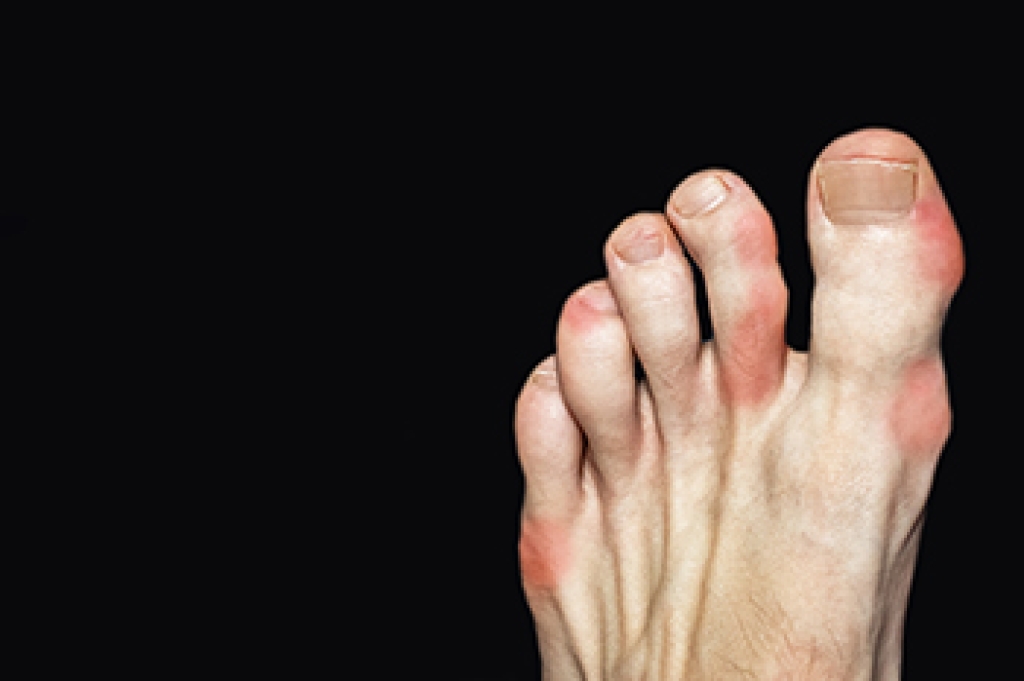
Injury From a Winter Sport? Get the Care You Need

Winter sports can be fun for many – but only with the proper protective gear. Even with the right equipment, however, injuries can happen. If you’ve sustained foot or ankle trauma or a foot or ankle injury, we’re here to help.

Why Are My Feet Numb?

There are several reasons the feet might feel numb and tingly ranging from an issue with a muscle to a more serious metabolic issue to physical compression of the nerves. There is nerve tissue running from the spinal cord to the feet and this informs the body of temperature, touch, and balance. Any ligament, tendon, or muscle tissue along the path can entrap or compress a nerve and cause pain, tingling, or weakness further down the line. Arthritis, an inflammatory process of the bone, and inflammation can cause pain and put pressure on nerves. Uncontrolled diabetes or other health issues can lead to nerve damage, which can eventually lead to amputation of toes or the whole foot. If you have numbness or tingling in your feet, it is important that you see a podiatrist who can access the problem and get you on your way to the management of a possibly dangerous condition or healing.

Neuropathy

Neuropathy can be a potentially serious condition, especially if it is left undiagnosed. If you have any concerns that you may be experiencing nerve loss in your feet, consult with one of our podiatrists from Community Foot Specialists. Our doctors will assess your condition and provide you with quality foot and ankle treatment for neuropathy.

What Is Neuropathy?

Neuropathy is a condition that leads to damage to the nerves in the body. Peripheral neuropathy, or neuropathy that affects your peripheral nervous system, usually occurs in the feet. Neuropathy can be triggered by a number of different causes. Such causes include diabetes, infections, cancers, disorders, and toxic substances.

Symptoms of Neuropathy Include:

  • Numbness
  • Sensation loss
  • Prickling and tingling sensations
  • Throbbing, freezing, burning pains
  • Muscle weakness

Those with diabetes are at serious risk due to being unable to feel an ulcer on their feet. Diabetics usually also suffer from poor blood circulation. This can lead to the wound not healing, infections occurring, and the limb may have to be amputated.

Treatment

To treat neuropathy in the foot, podiatrists will first diagnose the cause of the neuropathy. Figuring out the underlying cause of the neuropathy will allow the podiatrist to prescribe the best treatment, whether it be caused by diabetes, toxic substance exposure, infection, etc. If the nerve has not died, then it’s possible that sensation may be able to return to the foot.

Pain medication may be issued for pain. Electrical nerve stimulation can be used to stimulate nerves. If the neuropathy is caused from pressure on the nerves, then surgery may be necessary.

If you have any questions, please feel free to contact our offices located in Beavercreek, Dayton, and Vandalia, OH . We offer the newest diagnostic and treatment technologies for all your foot care needs.
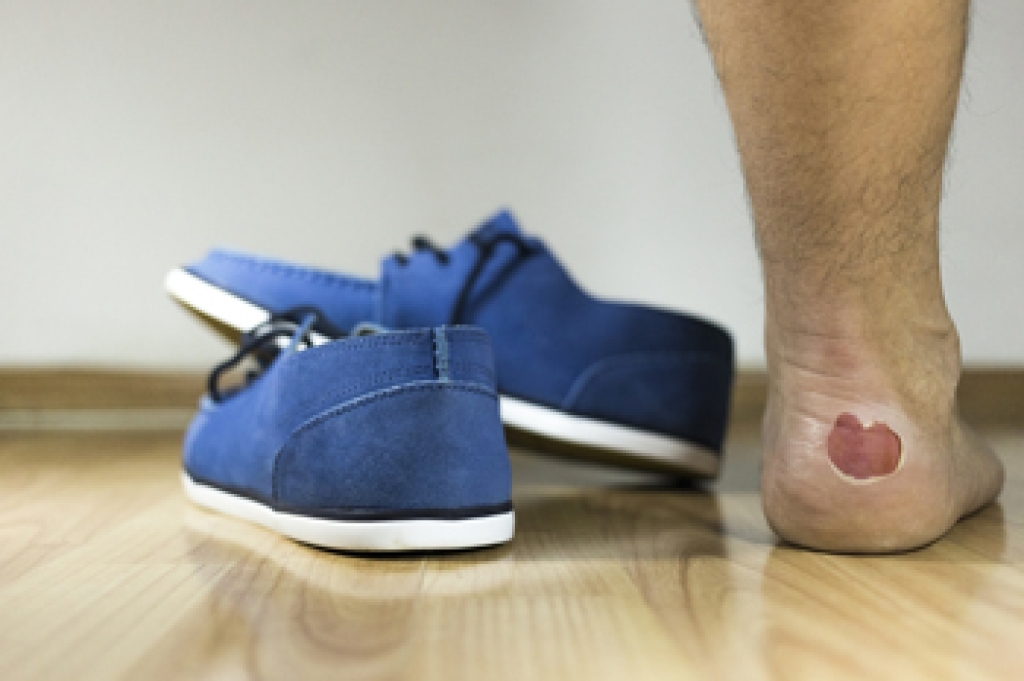

Read more about Neuropathy

Running and Stress Fractures

Individuals of all kinds can be susceptible to developing stress fractures, which are essentially tiny cracks in the bones. Runners are certainly no exception. These stress fractures are typically caused by repeated trauma of some kind. When a runner develops a stress fracture in their feet, they might be tempted to continue running despite having this condition. It is important to note that doing this can significantly delay the healing process. Additionally, running with a stress fracture might even lead to the development of some alternative foot injury because of an altered running gait to compensate for the pain of the stress fracture. Instead of running with the stress fracture, one might consider temporarily refraining from running and letting the feet heal. Contact a podiatrist today for specific treatment. 

Activities where too much pressure is put on the feet can cause stress fractures. To learn more, contact one of our podiatrists from Community Foot Specialists. Our doctors can provide the care you need to keep your pain free and on your feet.

Dealing with Stress Fractures of the Foot and Ankle

Stress fractures occur in the foot and ankle when muscles in these areas weaken from too much or too little use.  The feet and ankles then lose support when walking or running from the impact of the ground. Since there is no protection, the bones receive the full impact of each step. Stress on the feet can cause cracks to form in the bones, thus creating stress fractures.

What Are Stress Fractures?

Stress fractures occur frequently in individuals whose daily activities cause great impact on the feet and ankles. Stress factors are most common among:

  • Runners                                
  • People affected with Osteoporosis
  • Tennis or basketball players
  • Gymnasts
  • High impact workouts

Symptoms

Pain from the fractures occur in the area of the fractures and can be constant or intermittent. It will often cause sharp or dull pain with swelling and tenderness. Engaging in any kind of activity which involves high impact will aggravate pain.

If you have any questions please contact our offices located in Beavercreek, Dayton, and Vandalia, OH . We offer the newest diagnostic and treatment technologies for all your foot and ankle needs.

Read more about Stress Fractures of the Foot and Ankle

Orthotics May Benefit Patients Who Have Flat Feet

Orthotics are defined as supportive insoles that provide bone and joint stability, in addition to soft tissue protection. Many patients with flat feet are interested in wearing orthotics, which may relieve this condition. Moving efficiently can be done by having the midfoot flex like a bow while adding shock absorption to the walking style, or gait. There are two types of flat feet consisting of rigid and flexible. Orthotics that have low arches are suggested for people who have rigid flat feet, and flexible feet are indicated when the arch appears while sitting. These individuals may benefit from wearing medium arch orthotics, so it is essential to know which type of flat feet you may have. Additionally, orthotics that have deep heel cups can help to protect the fatty pad that is found under the heel bone. This is generally inadequate in providing heel stabilization. Many people who have flat feet choose to wear orthotics for many reasons, and it is suggested that you confer with a podiatrist if you are interested in pursuing this form of relief.

If you are having discomfort in your feet and would like to try orthotics, contact one of our podiatrists from Community Foot Specialists. Our doctors can provide the care you need to keep you pain-free and on your feet.

What Are Orthotics?

Orthotics are inserts you can place into your shoes to help with a variety of foot problems such as flat feet or foot pain. Orthotics provide relief and comfort for minor foot and heel pain but can’t correct serious biomechanical problems in your feet.

Over-the-Counter Inserts

Orthotics come in a wide variety of over-the-counter inserts that are used to treat foot pain, heel pain, and minor problems. For example, arch supports can be inserted into your shoes to help correct overarched or flat feet, while gel insoles are often used because they provide comfort and relief from foot and heel pain by alleviating pressure.

Prescription Orthotics

If over-the-counter inserts don’t work for you or if you have a more severe foot concern, it is possible to have your podiatrist prescribe custom orthotics. These high-quality inserts are designed to treat problems such as abnormal motion, plantar fasciitis, and severe forms of heel pain. They can even be used to help patients suffering from diabetes by treating foot ulcers and painful calluses and are usually molded to your feet individually, which allows them to provide full support and comfort.

If you are experiencing minor to severe foot or heel pain, it’s recommended to speak with your podiatrist about the possibilities of using orthotics. A podiatrist can determine which type of orthotic is right for you and allow you to take the first steps towards being pain-free.

If you have any questions, please feel free to contact our offices located in Beavercreek, Dayton, and Vandalia, OH . We offer the newest diagnostic and treatment technologies for all your foot care needs.
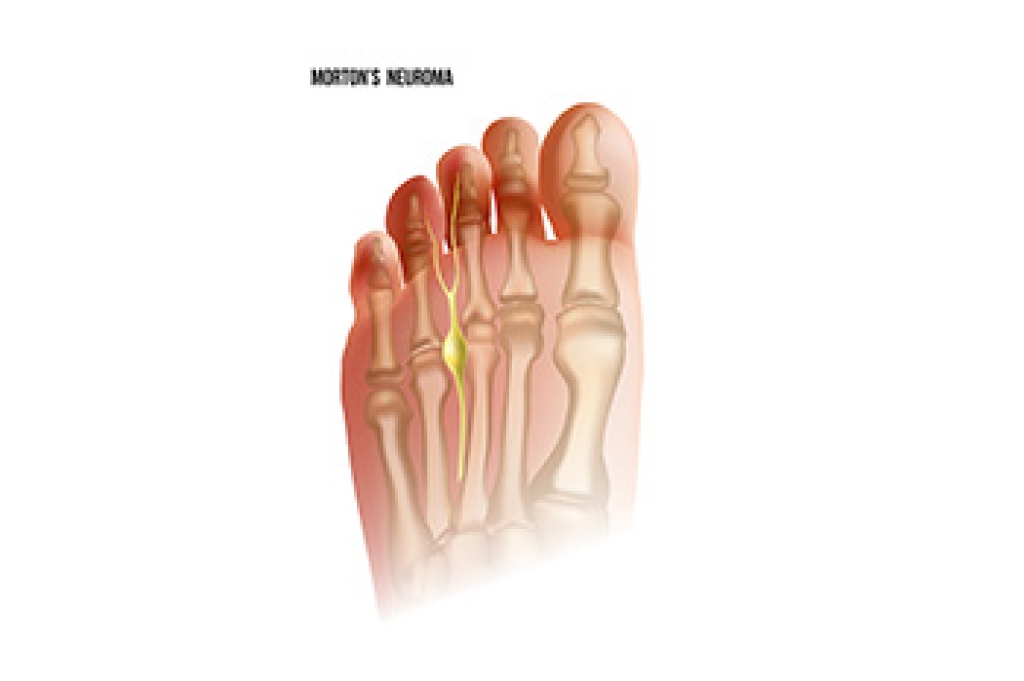
Read more about Ankle Foot Orthotics for Athletes

Why Do Blisters Form?

A small area of skin on the foot which is filled with protective liquid is defined as a blister. It is the body’s natural defense in producing new skin, which replaces the skin that has been damaged. This happens as a result of excess friction that is often caused by wearing shoes and socks that do not fit correctly. The skin will become reddened, and this is the first sign a blister is developing. There may be medical reasons why blisters on the feet can occur. These can consist of having eczema, psoriasis, or they may be part of an allergic reaction to specific chemicals or to an insect bite. Additionally, people who enjoy running may find that they have developed blisters, which can happen from excessive foot moisture. This can be prevented by wearing socks and shoes that are made of materials that can absorb moisture. Using a foot antiperspirant may help to reduce or eliminate sweating. It is beneficial to keep the blister covered until it drains naturally when new skin is formed. It is also wise to consult with a podiatrist if you have blisters on your feet, who can help with effective treatment and prevention methods.

Blisters are prone to making everyday activities extremely uncomfortable. If your feet are hurting, contact one of our podiatrists of Community Foot Specialists. Our doctors can provide the care you need to keep you pain-free and on your feet.

Foot Blisters

Foot blisters develop as a result of constantly wearing tight or ill-fitting footwear. This happens due to the constant rubbing from the shoe, which can often lead to pain.

What Are Foot Blisters?

A foot blister is a small fluid-filled pocket that forms on the upper-most layer of the skin. Blisters are filled with clear fluid and can lead to blood drainage or pus if the area becomes infected.

How Do Blisters Form?

Blisters on the feet are often the result of constant friction of skin and material, usually by shoe rubbing. Walking in sandals, boots, or shoes that don’t fit properly for long periods of time can result in a blister. Having consistent foot moisture and humidity can easily lead to blister formation.

Prevention & Treatment

It is important to properly care for the affected area in order to prevent infection and ease the pain. Do not lance the blister and use a Band-Aid to provide pain relief. Also, be sure to keep your feet dry and wear proper fitting shoes. If you see blood or pus in a blister, seek assistance from a podiatrist.

If you have any questions, please feel free to contact our offices located in Beavercreek, Dayton, and Vandalia, OH . We offer the newest diagnostic and treatment technologies for all your foot care needs.

Read more about Blisters on the Feet

Connect With Us